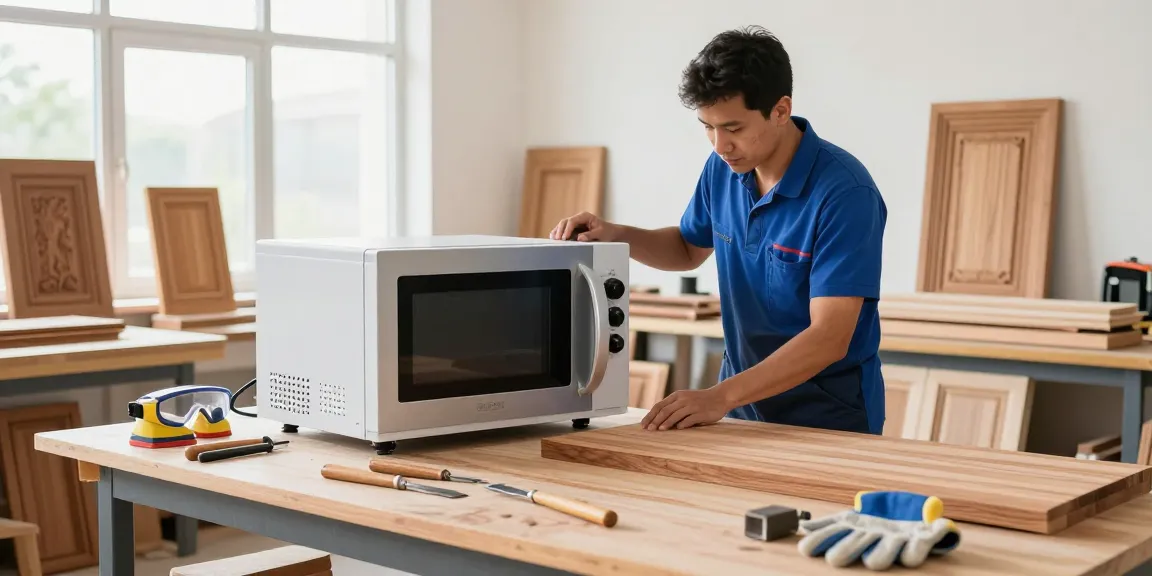
Understanding Shashel: Revolutionizing Wood Restoration
In the evolving landscape of wood restoration, the introduction of innovative technologies has significantly transformed how woodworkers approach infestations, particularly tarli. Traditional methods often fall short in terms of efficiency and effectiveness, leaving room for advanced solutions like those provided by Shashel. Built on cutting-edge microwave technology, Shashel offers a robust approach to eliminating these wood-destroying pests in mere minutes, ensuring that both residential and commercial wood items are restored to their pristine condition.
What is Shashel Technology?
Shashel technology utilizes microwave energy to target and eliminate tarli infestations within wood. This method involves creating heat through dielectric heating that disrupts the cellular structure of the pests and their larvae. Unlike traditional chemical treatments which can compromise the integrity of the wood and pose health risks, Shashel is designed to be both safe and environmentally friendly. By ensuring rapid heat penetration, it guarantees complete eradication without damaging the wood surface.
Key Benefits of Microwave-Based Tarli Elimination
- Speed: The Shashel process allows for near-instantaneous treatment of wood, often taking just a few minutes.
- Safety: With no harsh chemicals involved, Shashel technology is safe for both users and the environment.
- Effectiveness: This method ensures a high elimination rate of tarli, reducing the risk of re-infestation.
- Preservation of Wood Quality: Unlike traditional methods, Shashel preserves the integrity and appearance of the wood.
Understanding the Science Behind the Process
The science behind Shashel technology is rooted in the principles of microwave energy. When microwaves are directed at wood, they cause the water molecules within the wood and any insect present to vibrate and generate heat. This rapid rise in temperature can effectively kill tarli at all life stages, from eggs to adults. This innovative approach not only provides a quicker solution but also addresses the challenges posed by wood's variability in density and moisture content.
The Hidden Dangers of Wood Infestation
Wood infestations can lead to significant structural damage if left unchecked. Tarli, a common pest, can burrow deep into wood, compromising its structural integrity and aesthetic appeal. Understanding these hidden dangers is essential for anyone working with wood, from casual hobbyists to professional woodworkers.
Identifying Tarli Infestations in Wood
Identifying a tarli infestation early is crucial for effective treatment. Early signs include:
- Visible Holes: Small exit holes on the surface of the wood indicate adult tarli emerging.
- Powdery Residue: Frass, or fine wood dust, can be a sign of active tunneling.
- Types of Wood Affected: Tarli often target softwoods, but hardwoods can also become infested if conditions are favorable.
Common Challenges Faced by Woodworkers
Woodworkers often face challenges when dealing with infestations, including:
- Adverse effects on wood quality and appearance.
- Increased costs due to prolonged treatments and repairs.
- Difficulty in detecting hidden infestations, which may result in incomplete restorations.
Preventive Measures to Protect Woodwork
To protect woodwork from infestations, consider implementing the following preventive measures:
- Regular inspections of wooden items, especially those stored in humid environments.
- Using sealants and wood preservatives that deter pests.
- Ensuring proper ventilation in storage areas to reduce moisture.
Practical Applications of Shashel Technology
Shashel technology is versatile and can be employed across various applications, providing excellent results in wood restoration tasks. Whether in furniture restoration, construction, or historical preservation, Shashel technology proves to be a valuable asset.
Case Studies: Successful Wood Restoration
Numerous case studies illustrate the effectiveness of Shashel technology:
- Historical Restoration Projects: Museums have employed Shashel to restore antique wood artifacts without compromising their historical value.
- Residential Furniture: Homeowners have successfully used Shashel to treat beloved heirloom pieces that showed signs of tarli damage.
Shashel in Action: Step-by-Step Process
The Shashel restoration process can be summarized in a few key steps:
- Preparation: Remove any surface finishes that may impede microwave penetration.
- Treatment: Place the wood in the Shashel equipment, which applies microwave energy for the appropriate duration based on the wood type and infestation level.
- Cooling: Allow the wood to cool down to prevent cracking or warping.
- Inspection: Examine the wood post-treatment to ensure complete elimination of pests.
Real-World Use Cases Across Industries
Various industries are beginning to recognize the benefits of Shashel technology:
- Furniture Manufacturing: Manufacturers use Shashel to ensure the quality and safety of their products.
- Construction: Builders prevent the spread of infestations in new constructions by pre-treating wood materials.
Comparing Shashel to Traditional Methods
When evaluating pest control methods, comparing Shashel with traditional techniques reveals significant advantages.
Effectiveness: Shashel vs. Conventional Techniques
While conventional techniques like chemical treatments can be effective, they often fall short due to:
- Lengthy application processes that can take days or weeks.
- Potential harm to the environment and human health.
- Risk of re-infestation due to incomplete pest elimination.
Cost-Benefit Analysis for Woodworkers
Investing in Shashel technology can provide long-term savings by:
- Reducing the need for repeated treatments.
- Minimizing damage to wood, thereby preserving its value.
- Increasing productivity due to faster restoration times.
User Testimonials and Expert Insights
Feedback from users of Shashel equipment highlights its effectiveness:
- “I was amazed at how quickly I could restore my furniture without compromising quality.” - A satisfied woodworker.
- “Shashel has revolutionized our pest control process, allowing us to focus more on craftsmanship.” - A furniture manufacturer.
The Future of Wood Restoration: Trends and Predictions for 2026
The wood restoration industry is poised for significant advancements as technology continues to evolve.
Emerging Technologies in Wood Processing
Innovations such as AI-driven monitoring systems will likely enhance pest detection. These technologies can help identify infestations before they become problematic, allowing for timely interventions.
Market Trends: The Growing Demand for Eco-Friendly Solutions
As sustainability rises in importance, eco-friendly solutions like Shashel are gaining traction. Consumers are increasingly seeking products that prioritize environmental responsibility, driving demand for non-toxic pest control methods.
Preparing for the Future with Shashel
Woodworkers should consider investing in Shashel technology to stay ahead of industry trends. As the market shifts towards sustainable solutions, adopting these technologies will be essential for maintaining competitive advantage.
What types of wood can benefit from Shashel technology?
Shashel technology is suitable for a wide range of wood types, including both softwoods and hardwoods. Its versatility makes it ideal for use in various applications, from furniture restoration to construction.
How long does the Shashel process take for restoration?
The Shashel process is remarkably quick, typically completed within minutes depending on the size of the wood piece and the extent of infestation.
Is Shashel equipment suitable for commercial use?
Absolutely. Shashel equipment is designed for both commercial and residential use, making it an excellent investment for businesses involved in wood processing and restoration.
What safety measures are necessary when using Shashel equipment?
While Shashel technology is safe, users should still adhere to safety guidelines, including using protective gear and ensuring proper ventilation during treatment.
How does Shashel compare to other treatment methods?
Shashel stands out from other methods due to its speed, effectiveness, and safety. Unlike chemical treatments, it poses no health risks and ensures thorough pest elimination in record time.