Understanding the Basics of Pizza Making
Pizza making is both an art and a science, blending culinary skill with a profound understanding of ingredients and techniques. Whether you're a novice eager to learn or a seasoned enthusiast aiming to refine your skills, grasping the fundamentals of pizza creation is crucial. A well-prepared slot can set the stage for creating delightful pizza that can impress family and friends alike.
What Makes a Great Pizza Slot?
The term "slot" in the context of pizza refers to the space allocated for various toppings, flavors, or styles on your pizza. A great pizza slot is crucial for balancing ingredients, ensuring each slice delivers a harmonious taste experience. Key factors include:
- Crust Quality: The foundation of any pizza. Whether you prefer thin, thick, or stuffed crusts, the choice significantly influences flavor.
- Ingredient Placement: Thoughtfully arranged toppings can enhance both the visual appeal and taste.
- Cooking Method: Different methods (oven type, temperature, etc.) can affect how the ingredients meld together.
Essential Tools and Ingredients for Success
Before diving into pizza making, having the right tools and ingredients is essential. Consider investing in:
- Pizza Stone: Helps achieve that crispy, professional-looking crust by retaining heat.
- Pizza Peel: Makes transferring pizzas in and out of the oven a breeze.
- High-Quality Flour: Type '00' flour is ideal for achieving a classic Italian pizza texture.
- Fresh Ingredients: Fresh basil, ripe tomatoes, and quality mozzarella can transform your pizza from ordinary to extraordinary.
Common Mistakes to Avoid in Pizza Preparation
Avoiding pitfalls in pizza making can dramatically improve your results. Here are some common mistakes:
- Overworking the Dough: This can lead to a tough texture instead of the desired chewiness.
- Using Too Many Toppings: More is not always better. Overloading can result in soggy slices.
- Incorrect Oven Temperature: A hot oven is key for a crispy crust and well-cooked toppings.
Mastering Pizza Dough Techniques
The dough is arguably the most important component of your pizza. Mastering the art of dough making is essential for creating a perfect pizza base.
The Science Behind Perfect Pizza Dough Slots
Understanding the science of dough can enhance your pizza-making process. The fermentation process, where yeast converts sugars into carbon dioxide, creates air pockets, making the dough rise and become fluffy. Additionally, gluten development provides structure and texture. The ideal dough should be elastic yet easy to stretch.
Step-by-Step Guide to Homemade Dough
Creating your own pizza dough is a rewarding endeavor. Follow these steps for a great result:
- Combine flour, water, salt, and yeast in a bowl.
- Knead the mixture on a floured surface until smooth.
- Let it rest for at least one hour to rise.
- Once doubled in size, punch down, and shape into a ball.
- Roll out the dough to your desired thickness.
Comparing Different Dough Styles: Neapolitan vs. New York
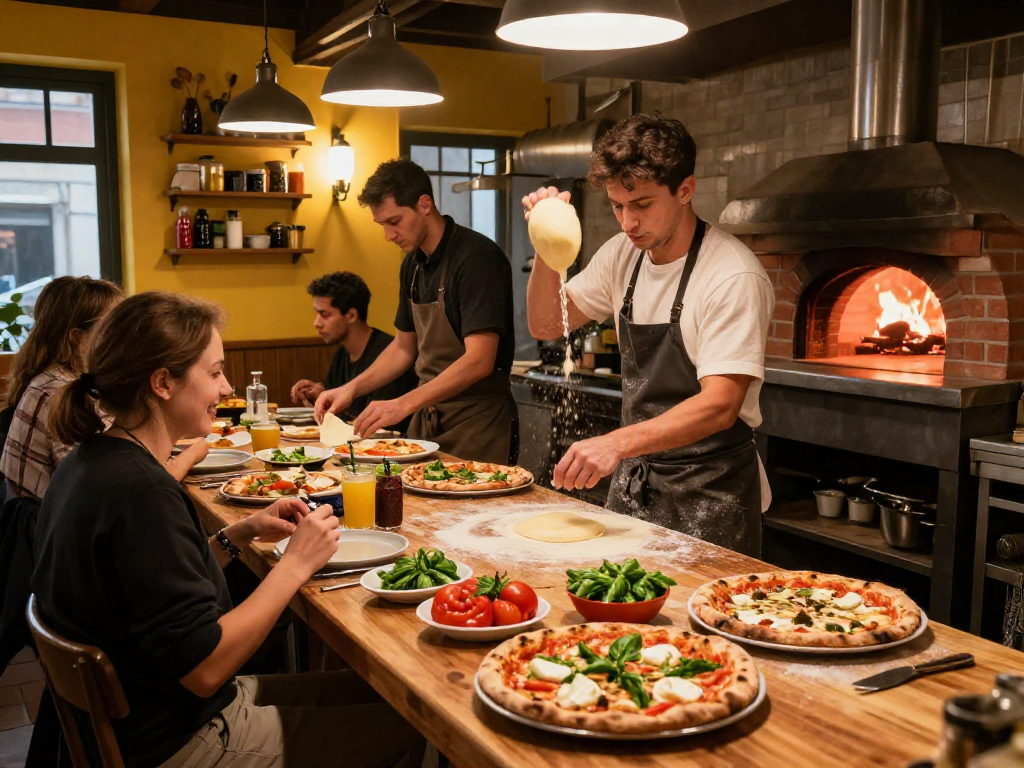
Each style has its unique appeal. Neapolitan dough is known for its lightness and is traditionally cooked in a wood-fired oven. In contrast, New York-style dough is thicker, allowing for a chewier texture and a foldable crust. Understanding these differences can help you choose which style you'd like to master.
Ingredient Selection and Pairing
Choosing the right ingredients can elevate your pizza from good to exceptional. In 2026, the trend of sourcing local and seasonal ingredients continues to dominate.
How to Choose the Best Pizza Toppings
Selecting toppings requires an understanding of flavor profiles. Pair complementary flavors, such as spicy pepperoni with creamy mozzarella, or earthy mushrooms with sharp parmesan. The key is achieving balance.
Creating Flavor Profiles: Balancing Sweet, Savory, and Spicy
Designing a pizza involves not just the toppings but also the sauce and cheese. Incorporating sweet sauces like barbecue or spicy chili oils can create depth in your pizza's flavor profile.
Farm-to-Table: Sourcing Local Ingredients for Your Slot
In 2026, more consumers care about where their food comes from. Locally sourced ingredients bring freshness and support local economies. Consider developing relationships with local farms for the ripest tomatoes, freshest basil, and artisan cheeses.
Cooking Methods for the Perfect Pizza
How you cook your pizza can dramatically affect the final product. Understanding different cooking methods is crucial for successful results.
Oven Types and Their Impact on Pizza Quality
Various ovens yield different results. Wood-fired ovens can reach much higher temperatures than conventional home ovens, resulting in a unique char and flavor. On the other hand, electric or gas ovens can be more convenient for home cooks. Aim for an oven temperature of at least 500°F for optimal results.
Grilling vs. Baking: Which is Best for Your Slot?
Grilling pizza adds a smoky flavor and distinctive texture, but it requires different techniques than baking. If grilling, use a pizza stone or direct heat method to achieve even cooking.
Monitoring Cooking Times for Optimal Results
Every oven is different, so monitoring cooking times is essential for achieving the perfect pizza. Generally, pizzas need to cook for about 8 to 15 minutes, depending on thickness and toppings.
Marketing Your Pizza Business in 2026
Understanding how to effectively market your pizza business is crucial in the ever-evolving culinary landscape. With the rise of digital marketing, leveraging social media is more important than ever.
Building a Brand Around Your Pizza Slot
Your brand reflects your unique style and what you offer. Consider creating a memorable logo and consistent messaging across platforms to build recognition.
Effective Social Media Strategies for Restaurants
Engaging with customers through social media can foster community and boost sales. Regularly post pictures of your pizzas, share customer testimonials, and promote special offers. Content that showcases the pizza-making process can intrigue and attract new customers.
Leveraging Customer Feedback for Continuous Improvement
Engagement doesn't stop at sales. Regularly soliciting and acting on customer feedback can lead to changes that improve your menu and service. Use surveys, online reviews, and direct conversations to gather insights.
What is the best type of oven for making pizza?
The best oven type for pizza is often a wood-fired oven due to its high temperatures, but for home cooks, a pizza stone in a conventional oven is a great alternative.
How do I prevent my pizza dough from sticking?
To prevent sticking, flour your work surface generously and allow the dough to rest before rolling it out to achieve the right consistency.
What are some unique toppings to try for pizza?
Consider toppings like artichokes, smoked salmon, or a drizzle of truffle oil for a gourmet touch. Unique combinations can delight and surprise your customers.
How can I effectively promote my pizza business?
Utilizing social media, local partnerships, and community events can help promote your business effectively. Don't underestimate the power of word-of-mouth marketing.
What trends are emerging in the pizza industry for 2026?
In 2026, trends include plant-based pizzas, sustainability practices, and global flavor fusion. Staying on top of these trends can enhance your menu and attract diverse clientele.