The Rich History Behind Second-Hand Treasures
Second-hand treasures, often viewed through a lens of nostalgia, carry stories that are unique to each item. From vintage clothing that evokes memories of past trends to furniture that has witnessed countless moments, these goods represent a bridge between the past and present. As we delve into the world of second-hand shopping, especially through platforms like rokok 88, we discover items that not only have practical uses but also emotional significance. In this article, we will explore the emotional and historical context of these treasures, assess their value, and uncover the latest trends in the vintage market.
Understanding the Emotional Value of Vintage Items
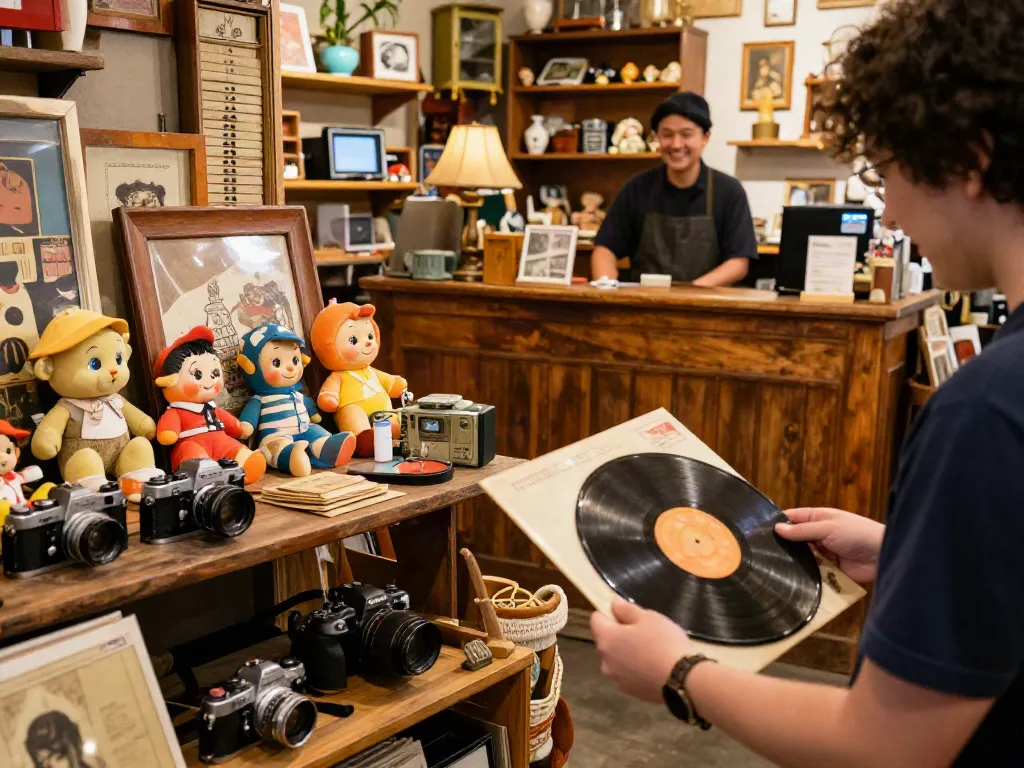
Every vintage item embodies a story. Whether it's a child's toy from the 1980s, a classic vinyl record, or a piece of jewelry passed down through generations, these items evoke memories that new products simply cannot replicate. The emotional value of a vintage item often surpasses its monetary worth; it connects us to personal histories and shared experiences. Collectors often seek these items not merely for their aesthetic or functional qualities, but for the memories and feelings they inspire. Understanding this emotional connection can profoundly impact how we value these objects.
How History Shapes Perceptions of Second-Hand Goods
Historical events and cultural shifts heavily influence our perceptions of second-hand goods. For instance, during economic downturns, people may turn to vintage items as affordable alternatives to new purchases. Additionally, movements towards sustainability and environmental consciousness have made second-hand shopping more appealing. By valuing the history behind vintage items, consumers are increasingly recognizing their significance in a world that often prioritizes fast fashion and disposable goods. This shift has not only changed shopping habits but also elevated the status of second-hand treasures in society.
Case Studies of Iconic Antique Items
Throughout history, certain antiques have gained iconic status due to their unique stories and historical significance. For example, the original Coca-Cola vending machine, which dates back to the 1950s and sold only bottled drinks, is now a collector's item sought after for display in cafes and homes. Similarly, mid-century modern furniture pieces by designers like Eames or Knoll fetch premium prices due to their design and the stories they tell about an era characterized by innovation and change. These case studies exemplify how the value of second-hand items can transcend mere functionality, offering insights into historical contexts and cultural movements.
Identifying Quality in Second-Hand Goods
When it comes to finding value at second-hand shops, discerning quality is crucial. Many items may appear vintage but can vary greatly in condition and authenticity. In the context of rokok 88, knowing what to look for can enhance your shopping experience tremendously.
What Makes an Item Valuable at Rokok 88?
The value of an item is determined by several factors: its condition, rarity, demand, and provenance. For instance, a mint-condition item from a well-known brand or designer often holds more value than a similar item that shows signs of wear. Identifying reputable brands and understanding the historical significance of certain items can significantly enhance your collection. Additionally, factors such as limited editions or items featured in popular culture can significantly increase their value. As you explore options, understanding these criteria will help you make informed purchases.
Expert Tips on Assessing Condition and Authenticity
Assessing the condition of second-hand goods requires a trained eye and attention to detail. Here are some tips:
- Examine for Wear: Look for signs of damage, stains, or significant wear, particularly on sensitive areas like seams and edges.
- Check for Markings: Authentic items often come with labels, signatures, or branding that can help verify their origin.
- Research: Utilize online resources and communities to understand average prices and characteristics of the items you're interested in.
- Trust Your Instincts: If something feels off, it’s worth investigating further or walking away.
Common Misconceptions About Second-Hand Shopping
Many misconceptions surround second-hand shopping, often leading potential buyers astray. One common myth is that all second-hand items are "used up" or damaged. In reality, many items are gently used and can be resold at a price that represents their true value. Another misconception is that shopping for second-hand goods is time-consuming. With online platforms like rokok 88, shopping can be both convenient and efficient. Understanding these misconceptions can lead to a more rewarding second-hand shopping experience.
Restoration and Upcycling Techniques
Restoring and upcycling vintage items can breathe new life into pieces that might seem outdated or damaged. This creative process allows for the preservation of history while adding a contemporary touch to beloved items.
Best Practices for Restoring Vintage Items
Restoration involves careful attention to detail and the use of appropriate materials. Here are some best practices:
- Research: Understand the historical context of your item. This knowledge will guide you in making restoration choices that align with its original design.
- Use Proper Techniques: For furniture, learn about the appropriate methods of sanding, staining, and sealing.
- Seek Professional Help When Needed: For valuable items, consider consulting restoration professionals to avoid damaging the piece further.
Upcycling Ideas for Creative Home Decor
Upcycling is a fantastic way to turn second-hand items into unique home decor pieces. Here are a few ideas:
- Furniture Makeover: Transform an old table with a fresh coat of paint or new hardware.
- Art from Antiques: Use vintage items like forks or spoons to create wall art or decorative pieces.
- Planters: Repurpose teacups or old cabinets into charming plant holders.
Real-Life Examples of Successful Restorations
There are countless stories of successful restorations that not only salvaged items but also created stunning results. For instance, an old, mismatched dining table can be refinished and painted to create an eye-catching centerpiece for a family gathering. Such transformations not only enhance the aesthetics of a home but also provide an opportunity to share stories of the item's history with guests.
Market Trends for Nostalgic Collectibles
The market for nostalgic collectibles continues to evolve, reflecting broader cultural trends. Understanding these trends can help collectors make informed decisions about their purchases.
Current Trends Influencing the Second-Hand Market
As we move into 2026, several key trends are shaping the second-hand market:
- Sustainability: Increasing awareness around environmental issues is driving demand for second-hand items as eco-friendly alternatives.
- Nostalgia for the 90s and early 2000s: Items from these decades are becoming increasingly popular, with many consumers seeking out vintage clothing and tech.
- Online Marketplaces: The rise of ecommerce platforms has made it easier than ever to buy and sell second-hand goods, expanding access for collectors.
Predicted Popular Items for 2026
Looking ahead, we can anticipate certain types of items becoming highly sought after:
- Retro Tech: Old gaming consoles and vintage computers are expected to see a surge in popularity, particularly among millennials seeking to relive their childhoods.
- Designer Labels: High-end brands that have established a strong vintage aesthetic will continue to attract attention.
- Classic Furniture: Mid-century modern pieces will remain in demand for their timeless design and quality craftsmanship.
How to Navigate the Changing Marketplace
As trends shift, navigating the second-hand marketplace requires adaptability. Here are some strategies:
- Stay Informed: Follow social media trends and subscribe to newsletters from vintage shops and communities.
- Build Relationships: Connect with local vintage shops and online sellers to gain insights into the market.
- Diversify Your Collection: Don’t limit yourself to one type of item; explore various categories to enhance your collection.
Building Your Own Vintage Collection
Starting a vintage collection can be a rewarding and enriching experience. The journey allows for personal expression and a deeper appreciation for history.
Steps to Start a Meaningful Collection
To embark on your vintage collecting journey, consider the following steps:
- Define Your Focus: Choose a specific type of item, such as clothing, furniture, or collectibles, to give your collection direction.
- Create a Budget: Set a budget to guide your purchasing decisions and prevent overspending.
- Attend Events: Visit flea markets, estate sales, and vintage fairs to discover unique finds.
Resources and Communities for Vintage Enthusiasts
Engaging with like-minded individuals can enhance your collecting experience. Consider joining online forums, social media groups, or local clubs dedicated to vintage collectors. These communities often share valuable insights and tips for finding and caring for vintage items.
How to Share Your Collection with the World
Once you’ve built your collection, sharing it can be a fulfilling way to connect with others. Use social media platforms to display your items, start a blog to document your collecting journey, or participate in local exhibitions and fairs. Highlighting the stories behind your vintage finds can inspire others and create a community of appreciation for these treasures.
What Should I Look for When Shopping at Rokok 88?
When shopping at rokok 88, keep an eye out for items that resonate with you. Look for unique pieces that tell a story or have significant historical relevance. Quality should also be a priority; items that show minimal wear are usually more desirable and have a higher resale value.
How Do I Know if a Second-Hand Item is Worth Buying?
To determine the worth of a second-hand item, assess its condition, research comparable items, and consider its provenance. The more you understand about the item’s background, the easier it will be to judge its value.
Can Vintage Items Increase in Value Over Time?
Yes, with the right conditions, vintage items can appreciate in value. Factors such as rarity, demand, and condition play a significant role in this process. Items that are well cared for and have strong brand names tend to have better investment potential.
What Are the Benefits of Upcycling Vintage Items?
Upcycling allows for creativity while also being environmentally friendly. By repurposing vintage items, you contribute to sustainability efforts, reducing waste while also creating functional or decorative pieces that have personal meaning.
How Can I Connect with Other Vintage Collectors?
Connecting with other vintage enthusiasts can be done through online platforms, local meetups, or vintage fairs. Engaging in discussions, sharing experiences, and trading items can enhance your collecting journey.