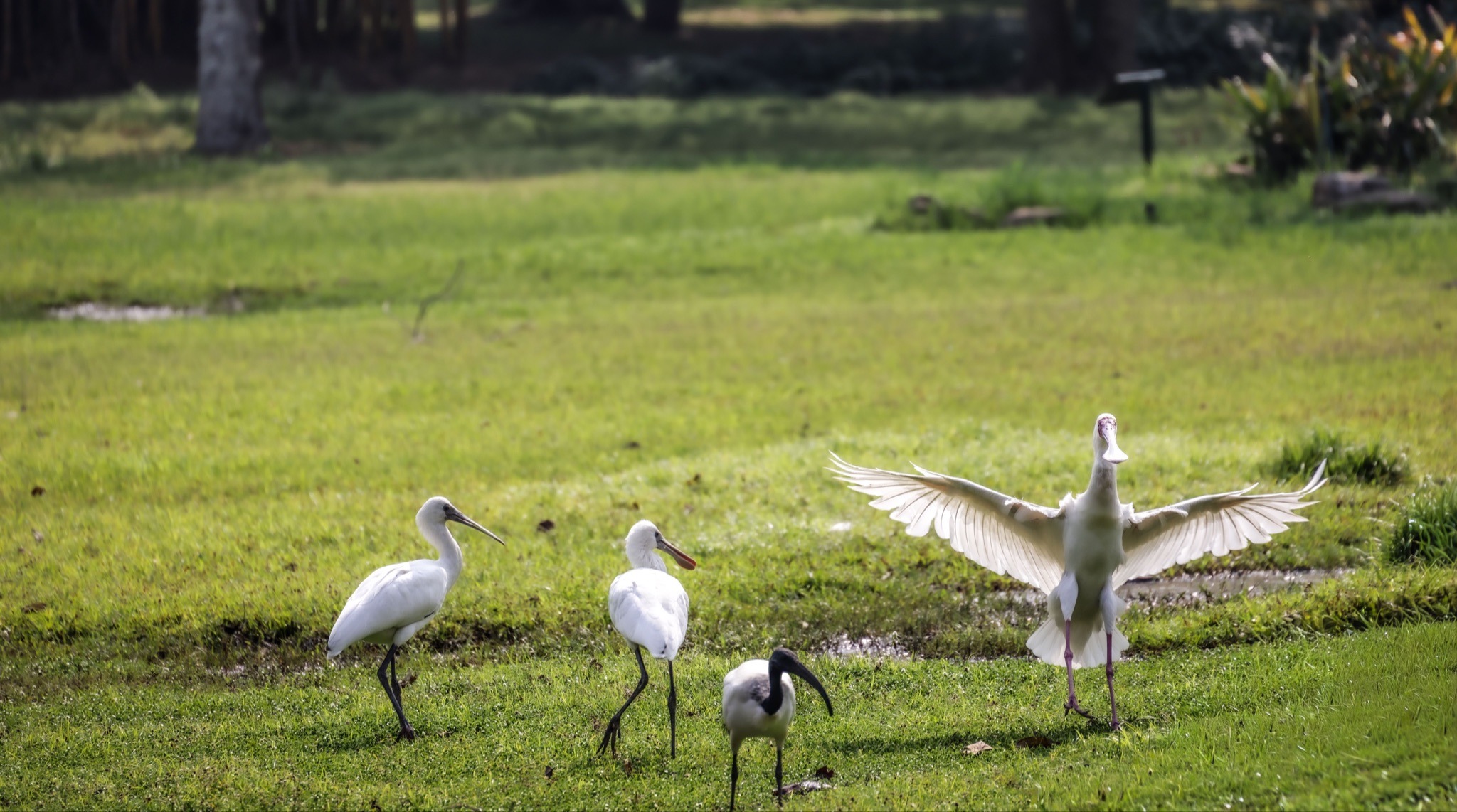
Bird strikes are one of the most significant wildlife hazards facing the aviation industry. A bird strike occurs when a bird collides with an aircraft during take-off, landing, or flight. While many incidents result in minor damage, larger birds or flocks can pose serious risks to aircraft safety, passengers, and crew.
As air traffic continues to increase around the world, airports invest heavily in bird control programs designed to reduce the likelihood of bird strikes. Modern bird management combines technology, habitat modification, and deterrent systems to keep birds away from runways and aircraft operating areas.
Why Bird Strikes Are a Serious Concern
Airports provide many of the features that attract birds. Large open spaces, grasslands, water retention ponds, and nearby food sources can create ideal habitats for gulls, geese, starlings, pigeons, and other species.
The greatest risk occurs during take-off and landing, when aircraft are operating at lower altitudes where bird activity is most common. A collision with a bird can damage windscreens, aircraft structures, or engines. In rare cases, multiple bird strikes can lead to significant operational and safety challenges. Because of these risks, airports around the world implement comprehensive bird hazard management programs to reduce bird activity near flight paths.
Bird Detection Radar Systems
One of the most advanced technologies used in airport bird control is bird detection radar. Similar to weather radar systems, these specialised tools monitor bird movements around airport airspace.
Radar systems can detect the size, direction, altitude, and speed of bird flocks, providing valuable information to airport wildlife management teams. This allows personnel to identify potential hazards before birds enter critical flight zones. In some airports, radar data is integrated into broader wildlife management systems that help coordinate bird control activities and improve situational awareness.
Bioacoustic Bird Deterrent Systems
Birds rely heavily on sound to communicate and identify potential threats. Bioacoustic deterrent systems like Super Plus B Sound Bird Scarer take advantage of this behaviour by broadcasting distress calls and predator sounds that encourage birds to leave the area.
Unlike simple noise-making devices, modern bioacoustic systems use species-specific recordings that target particular bird populations. This approach can be highly effective for managing gulls, starlings, crows, and other common airport bird species. These systems are often used alongside other deterrent methods to prevent birds from becoming accustomed to a single control measure.
Visual Bird Deterrents
Visual deterrents play an important role in many airport bird control strategies. Predator-shaped kites, reflective devices, and moving visual scarers create the appearance of danger and encourage birds to avoid the area. Birds are naturally cautious of predators, and visual deterrents exploit this instinct. Because airports often have large open spaces, these deterrents can be highly visible and effective when placed strategically around non-operational areas.
Companies such as Bird Busters offer a variety of visual bird deterrents that are widely used in agriculture, industrial facilities, and other environments where bird management is required. Similar principles are often incorporated into airport wildlife control programs.
Habitat Management
Technology alone is not enough to prevent bird strikes. One of the most effective long-term solutions is habitat management. Airport operators work to make the surrounding environment less attractive to birds by:
- Managing grass height
- Removing standing water
- Controlling food sources
- Reducing nesting opportunities
- Monitoring nearby wildlife activity
By limiting the resources that attract birds, airports can significantly reduce the number of birds present near runways and aircraft movement areas.
Wildlife Patrols and Falconry
Many airports employ dedicated wildlife management teams that regularly patrol the airfield. These teams monitor bird activity, respond to sightings, and deploy deterrent measures when necessary.
Some airports also use trained birds of prey as part of their wildlife management strategy. Falconry programs create a natural predator presence that encourages nuisance birds to avoid the area. Unlike mechanical deterrents, birds quickly recognise real predators and often respond immediately.
Conclusion
Preventing bird strikes requires a combination of advanced technology, proactive management, and effective deterrent systems. From bird detection radar and bioacoustic devices to visual deterrents and habitat modification, airports use multiple layers of protection to reduce wildlife hazards and improve aviation safety.
As technology continues to evolve, airport bird control programs are becoming increasingly sophisticated, helping to protect aircraft, passengers, and airport operations while managing bird populations in a safe and humane manner.